Regenerative Protein Array (RPA)
How Can RPA Benefit Me?
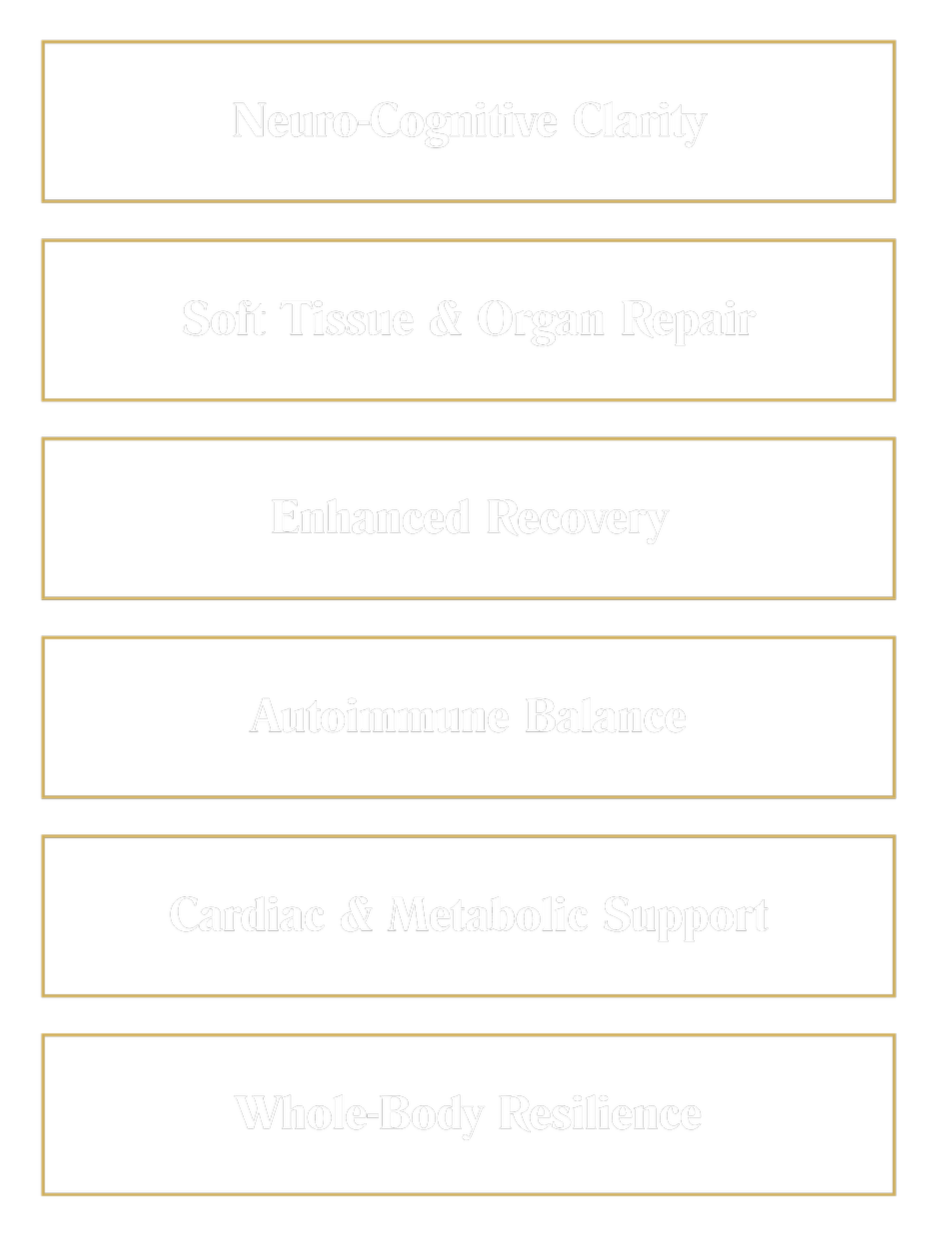
Whether your personal goal is to play more with grandkids, return to the pickleball court, or keep your edge in the boardroom, RPA technology provides the broadest spectrum of healing proteins found in any regenerative product on the market.
What is RPA?
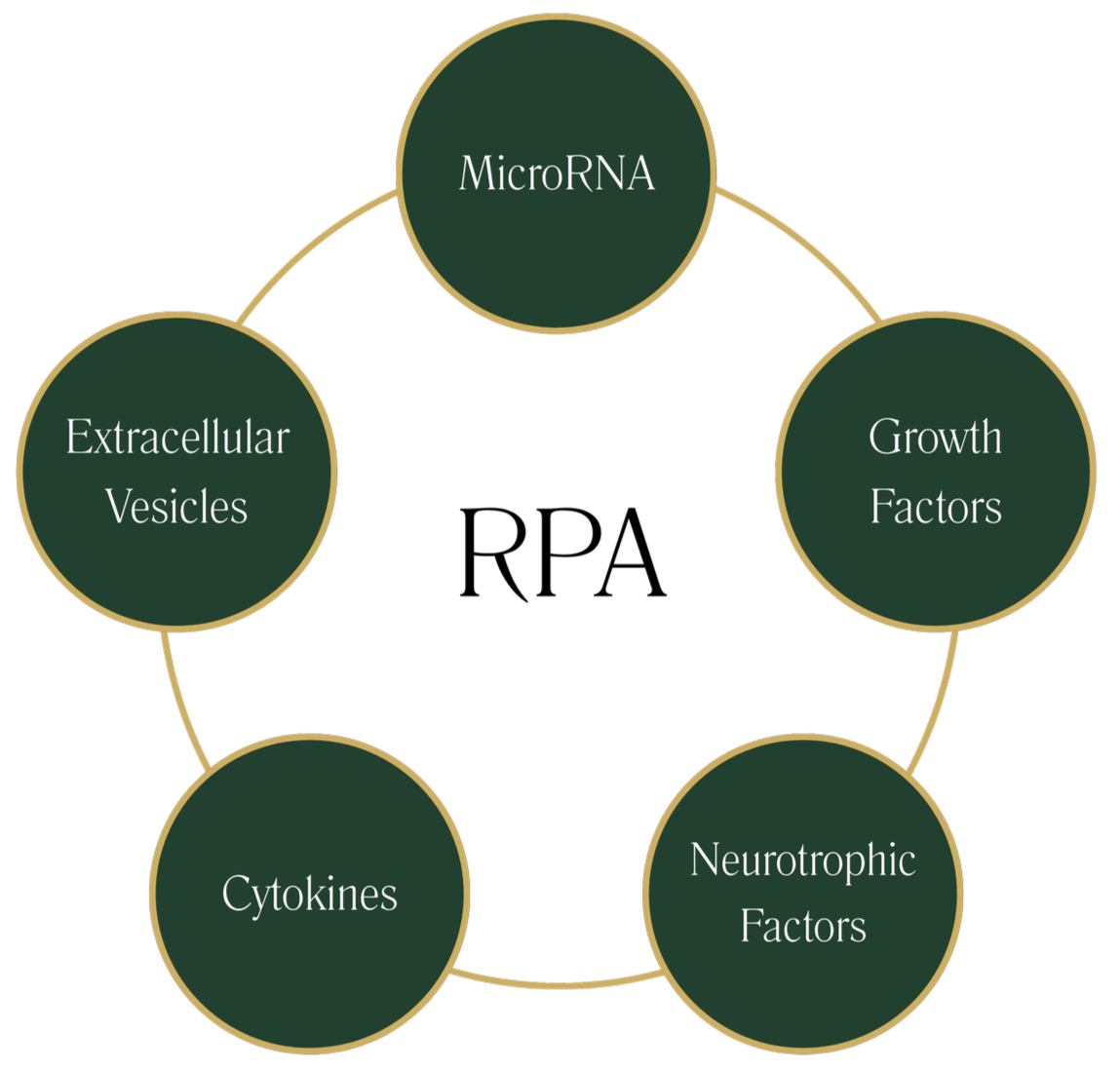
Regenerative Protein Array (RPA) represents a groundbreaking therapy to aid the body in healing itself. RPA has 300+ healing proteins from the endoderm (soft tissue/organ), ectoderm (brain/nerve), & mesoderm (musculoskeletal) remnant layers of the placenta. This broad array of cytokines (inflammation modulation), growth factors (tissue repair/angiogenesis), & miRNA (cellular signaling), makes RPA one of the most advanced & powerful regenerative therapies available today.
How is RPA Created?
RPA is produced by placing placental tissue in a specialized bioreactor, which nurtures and stimulates the tissue. This process encourages the placenta to produce a rich array of cytokines and growth factors, resulting in a product that is a concentrated source of components that are pivotal in tissue healing.
MUSE-Infused RPA
What Is MUSE-Infused RPA?
MUSE-Infused RPA combines Genesis’ Regenerative Protein Arrays™ (RPA) with the proteins extracted from MUSE (Multilineage Differentiating Stress-Enduring) cells — a rare stress-resistant, highly pluripotent, non-tumorigenic, regenerative cell population. MUSE Infused RPA is an acellular / non-DNA product that contains 0.50 mg of RPA with a 20% MUSE protein enhancement.
The Discovery of MUSE Cells
MUSE cells were discovered at Tohoku University during research on mesenchymal stem cell subpopulations that survived extreme stress conditions including hypoxia, low temperatures, and enzymatic stress. Researchers found that these rare cells exhibited unique stress-enduring and repair-associated signaling characteristics distinct from those of generic stromal cell populations.
Why MUSE Biology Matters
MUSE biology is associated with enhanced cellular resilience, anti-inflammatory signaling, cytoprotective activity, angiogenic support, neuro-supportive repair signaling, and ‘repair-priority’ traits. MUSE-Infused RPA is designed to provide a more complete regenerative signaling environment than either approach alone.
Where Patients See It Most